Your Water Management Plan Isn’t Just Paperwork—It’s Your Facility’s Bodyguard
Let’s be honest, the term "Water Management Plan" doesn't exactly scream "edge-of-your-seat excitement." For a busy facility manager, it can feel like just another compliance binder collecting dust. But when it comes to Legionella, that binder is less about bureaucracy and more about being a vigilant, 24/7 bodyguard for your building and everyone in it.
The good news? Creating an effective Legionella Water Management Plan (WMP) doesn't have to be a monumental task. It’s about smart, strategic steps. Think of it as your game plan for keeping the microbial bad guys out.
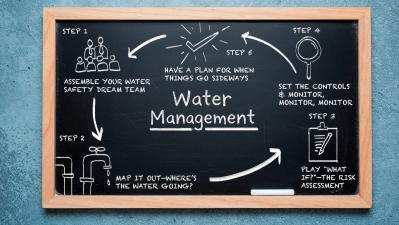
Step 1: Assemble Your Water Safety Dream Team
First things first: you can’t do this alone. Legionella control is a team sport. Your team should include people who know your building's water systems inside and out—facility operators, maintenance personnel, and maybe external consultants who specialize in water safety. The goal is to bring together the right minds to understand your unique risks. No lone wolves allowed.
Step 2: Map It Out—Where’s the Water Going?
You can't protect what you don't understand. The next step is to create a process flow diagram of your water systems. Where does the water enter? Where are the cooling towers, hot water tanks, decorative fountains, and low-flow faucets? This map helps you identify the "neighborhoods" where Legionella is most likely to move in and set up shop—think warm, stagnant areas.
Step 3: Play "What If?"—The Risk Assessment
This is where your team puts on their detective hats. Using your water system map, you'll identify potential control points and assess the risks. Ask the tough questions:
- "What if the water temperature drops in this tank?"
- "What if this wing of the building is unoccupied for a month?"
- "Is the biocide in our cooling tower being monitored effectively?"
This isn’t about panic; it’s about proactive problem-solving.
Step 4: Set the Controls & Monitor, Monitor, Monitor
Based on your risk assessment, you'll establish control measures. This usually means defining clear limits for things like water temperature, pH, and disinfectant levels. But setting limits is useless without checking them. This step involves establishing a routine monitoring schedule to ensure your controls are actually working. It's the difference between hoping your system is safe and knowing it is.
Step 5: Have a Plan for When Things Go Sideways
Even the best plans face curveballs. What's your play if your monitoring shows your disinfectant levels are too low, or if routine testing detects Legionella? Your WMP must outline clear, immediate corrective actions. This ensures that when a problem arises, you have a playbook ready to go, allowing you to respond swiftly and effectively.
Your Next Step to a Safer Facility
Building a comprehensive Water Management Plan is a foundational step in Legionella prevention. It transforms your approach from reactive to proactive, protecting your people and your reputation.
Ready to dive deeper and get the tools you need?
Download our FREE "Protecting Your Facility: A Guide to Legionella Prevention & Choosing the Right Testing Lab." It includes a detailed checklist to help you select a reliable testing partner to support your WMP.