Jalapeño Salmonella Outbreak: What It Reveals About Supply Chain Risk
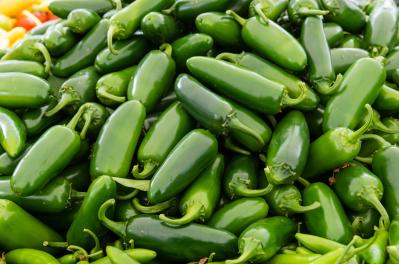
The 2026 Salmonella Javiana outbreak linked to fresh jalapeños shows how quickly a food safety issue tied to one ingredient can expand across a broader supply chain. As of August 14, FDA and CDC reported 345 illnesses across 27 states, 36 hospitalizations, and no deaths. Recalled jalapeños from Sinaloa, Mexico were distributed by Coast Citrus Distributors to wholesalers, restaurants, and foodservice companies, and the recall has since expanded downstream to products containing the affected peppers.
This is not simply a produce recall story. It is a visibility story.
One Ingredient Can Become Many Products
Jalapeños often enter the supply chain as an ingredient rather than a finished product. FDA has reported downstream recalls involving products such as salsa, guacamole, pico de gallo, prepared foods, soup mixes, stuffed mushrooms, and other items containing recalled peppers. The affected supply chain has reached foodservice operations, wholesalers, manufacturers, and retail products across multiple states.
That is what makes ingredient-level risk so difficult to contain. Once an ingredient moves into multiple formulations, facilities, brands, and distribution channels, the scope of a response can grow quickly. Quality teams need to know not only whether an ingredient meets specifications, but also where it came from, where it was used, and what data is available to support a decision when a potential issue emerges.
What the Jalapeño Outbreak Reveals About Supply Chain Visibility
The outbreak reinforces a broader lesson for food manufacturers, processors, importers, private-label programs, distributors, and foodservice organizations: supplier and ingredient visibility matters before a problem becomes public.
Strong food safety programs are built around multiple layers of verification. Supplier qualification, traceability, risk-based sampling, environmental controls, sanitation verification, and laboratory testing each provide a different view of potential risk. No single control eliminates every hazard, but together they can give quality teams better information earlier in the process.
When a supplier issue or unexpected result does occur, speed and traceability become just as important. Teams need to identify affected lots, understand where materials moved, determine what additional testing or investigation may be appropriate, and make defensible decisions without unnecessary delay.
Where Food Safety Testing Fits
Reliable laboratory testing is one part of that broader risk-management strategy. Depending on the product, process, and hazard profile, a testing program may include pathogen testing of raw materials or finished products, environmental monitoring and swabbing, water testing, supplier verification testing, or targeted investigation support when an unexpected result requires a closer look.
Testing cannot remove every source of risk from a supply chain. What it can do is provide objective data that helps quality teams verify controls, identify potential problems, investigate deviations, and make decisions with greater confidence.
That visibility can be especially important when one ingredient is used across multiple products or facilities. Earlier information can help organizations narrow the scope of an investigation, support corrective actions, and reduce uncertainty when timing matters.
From Reaction to Prevention
For food companies, the question is not whether every risk can be prevented. The more useful question is whether the quality program has enough visibility to identify risk early, trace it quickly, and respond with reliable information.
At Tentamus North America, our laboratory network supports food manufacturers and quality teams with microbiological and chemical testing, environmental monitoring, water testing, raw material and finished product analysis, and specialized scientific expertise. Combined with responsive support and access to the global Tentamus network, these capabilities help organizations build stronger visibility across critical points in their food safety programs.
One ingredient can create many downstream consequences. Stronger visibility helps quality teams identify risk sooner, respond faster, and act with confidence when the stakes are high.
Build More Visibility Into Your Food Safety Program