
Matcha analysis
Matcha is a Japanese green tea that is finely ground into a powder, characterized by its vibrant deep green color and distinctive umami flavor.
As the entire tea leaf is consumed, Matcha is particularly rich in antioxidants and caffeine, making it a popular alternative to coffee. The effect of Matcha is based on the unique combination of caffeine and the amino acid L-theanine, which occurs in particularly high concentrations in tea plants. While caffeine provides a long-lasting boost in energy and alertness, L-theanine helps to reduce the nervous side effects often associated with caffeine, resulting in a state of focused and calm awareness.
The global Matcha market is booming, driven primarily by the ongoing wellness trend and the popularity of this visually appealing beverage among younger generations. The product range has expanded far beyond traditional tea powder and now includes lifestyle products such as ready-to-drink beverages, snacks, baked goods, and even cosmetics.
For Matcha production, tea plants are shaded for several weeks before harvesting to stimulate the production of chlorophyll and amino acids. After harvesting, the leaves are steamed, dried, and carefully processed to remove stems and leaf veins. The remaining pure leaf material is then slowly ground into an ultra-fine powder using traditional granite stone mills.
Due to this elaborate production process, authentic Matcha is considered an absolute premium product. However, as the term “Matcha” is not legally protected, there are significant differences in quality and price on the market. Lower-priced “Culinary Grade” Matcha tends to have a more bitter taste and is primarily used for baking and cooking. The stronger “Premium Grade” is commonly used for popular Matcha lattes in cafés, while the high-quality “Ceremonial Grade” is traditionally consumed pure with water during tea ceremonies. These top-quality products can reach equivalent prices of €800 to more than €1,500 per kilogram. Cheaper products such as tea bags or ready-made powder blends often contain only very small amounts of authentic Matcha.
Due to the high value of authentic Matcha, it offers significant financial incentives for product adulteration and fraud.
Tentamus Group is currently the only provider offering a comprehensive testing approach for Matcha. This approach combines a proprietary isotope-based origin verification directly in Japan with globally unique authenticity, quality, and safety analyses performed by the accredited laboratories of Tentamus Group.
Challenges for Matcha producers and distributors
Matcha is a premium product that is particularly vulnerable to mislabeling, misleading origin claims, and adulteration. Matcha products marketed as Japanese Matcha may, in some cases, originate from other countries and vary significantly in terms of product quality. Differences in variety, harvest quality, and composition often cannot be verified solely through standard documentation or product labeling.
For manufacturers, retailers, and brand owners, this creates significant risks, including potential regulatory non-compliance, loss of consumer trust, and damage to brand reputation.
To ensure consumer safety and product authenticity, specific and comprehensive laboratory analyses are required.

Required analyses for Matcha testing
Origin verification
Using innovative Stable Isotope Ratio Analysis (SIRA), origin fraud in Matcha can be reliably detected and product authenticity can be effectively secured. This advanced testing method, performed in a specialized isotope laboratory directly in Japan, analyzes the tea’s “atomic fingerprint”, which is defined by the specific isotope ratios of hydrogen, oxygen, sulfur, and strontium.
These isotope patterns reflect the unique environmental conditions of the growing region, including climate, precipitation, and the characteristic volcanic soils of Japanese tea-growing areas such as Uji or Nishio. By comparing the results with verified reference databases, the geographical origin of Matcha can be accurately determined, enabling reliable authentication and certification as Japanese or Uji Matcha.
Authenticity
The authenticity testing of Matcha, which can be performed at Tentamus Group laboratories in Germany, includes precise variety authentication using advanced DNA analysis. This method enables the exact identification and verification of the tea plant variety used in the product.
In addition, the analysis is specifically applied to detect adulteration through foreign plant material or other undeclared ingredients. This ensures that the product is free from unauthorized fillers, adulterants, or low-quality substitute materials.
Quality Assessment
The quality assessment of Matcha performed at Tentamus Group laboratories in Germany is based on an advanced compositional profiling approach using NMR spectroscopy (Nuclear Magnetic Resonance spectroscopy). By precisely analyzing the ratios of theanine, catechins, chlorophyll, and caffeine, reliable conclusions can be drawn regarding product quality.
These robust analytical data enable accurate differentiation between various quality grades and support the official classification of the tea. In addition, this method can be used to verify the harvest period through laboratory analysis, allowing differentiation between the valuable First Flush (Ichibancha) and the Second Flush (Nibancha).
Particular attention is given to the powerful antioxidant EGCG (epigallocatechin gallate), the most abundant catechin in Matcha, which is considered one of the key compounds associated with the tea’s potential health-promoting properties.
Safety Testing
The safety testing of Matcha, which can be performed at Tentamus Group laboratories in Germany, includes comprehensive screening for relevant contaminants. Targeted analyses ensure compliance with legal requirements and provide optimal protection for consumers.
The testing process precisely examines Matcha powder for the following residues and contaminants:
- Pesticide residues (using mass spectrometry-based methods, screening for more than 900 pesticide residues is possible)
- Mycotoxins (mould toxins such as ochratoxin A or aflatoxins)
- Heavy metals such as lead (Pb), cadmium (Cd), arsenic (As), and aluminium (Al)
- Allergens (particularly relevant due to potential cross-contamination)
- Unauthorized colourants and preservatives
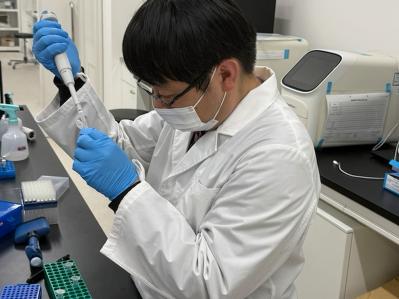
Sample shipment for Matcha analysis
To ensure reliable and fast analysis of your Matcha products, Tentamus Group offers flexible options for sample submission, including shipment via courier, personal sample drop-off, or a convenient sample collection service.
We will be happy to provide you with expert advice:
logistics@tentamus.com
+49 30 206 038 395
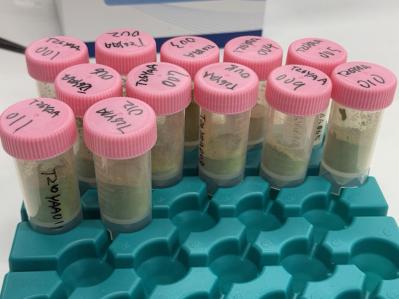
Relevant legal requirements and guidelines
- General Food Law Regulation (EC) No 178/2002
- HACCP Concept – Regulation (EC) No 852/2004 on the hygiene of foodstuffs
- Commission Regulation (EU) 2023/915 on maximum levels for certain contaminants in food
- Regulation (EC) No 396/2005 on maximum residue levels of pesticides in or on food and feed of plant and animal origin
- Food Information Regulation (EU) No 1169/2011 (FIR)
- Health Claims Regulation (EC) No 1924/2006
- Addition of substances – Regulation (EC) No 1925/2006 in conjunction with Regulation (EU) 2022/2340
- Organic Production Regulation (EU) 2018/848 (Organic Certification)
Get in touch with us at +49 30 206038230 or food@tentamus.com
Overview of Tentamus Group laboratories offering Matcha analysis
The following laboratories within the Tentamus Group offer Matcha analysis services:
You may also be interested in:
Analyses
Product Categories
Additional Services